
AI in hiring is one of the most talked-about topics in modern talent strategy. The technology promises faster screening, smarter assessments, and even automated interviews—but is it really delivering where it matters most?
At Dynamic Management Collective (DMC), we’ve been closely tracking how organizations are experimenting with AI in their hiring processes. To dig deeper, we spoke with Matt, our leader here at DMC. His insights reminded us that while AI can play a role in hiring, it shouldn’t be the main act.
Why AI Can’t Replace Human Connection
One of Matt’s strongest takeaways was this: Candidates don’t want to be interviewed by bots.
“I would not feel great just talking to a computer screen.”
Interviews aren’t just functional checkpoints, they’re opportunities to build trust, exchange energy, and show candidates what your culture feels like. Strip out the human connection, and you risk making the experience cold, impersonal, and ultimately uninviting.
When candidates walk away from an AI-only hiring process, they may feel like just another data point. That kind of experience doesn’t inspire loyalty—or strong employer branding.
Human Interpretation Still Outperforms AI in Hiring Decisions
Even the best AI tools struggle with what Matt called “context and nuance.” And that’s where humans still have the edge.
“I may not be as quick, but I’m definitely going to be able to put more context and nuance around things.”
Recruiters and hiring managers bring emotional intelligence, situational awareness, and professional intuition to every conversation. They can interpret what isn’t being said. They can pause an interview to dig deeper. They can spot potential that doesn’t show up in a keyword match. AI can process data, but people process people. That distinction matters in any hiring decision.
The Right Role for AI in Hiring
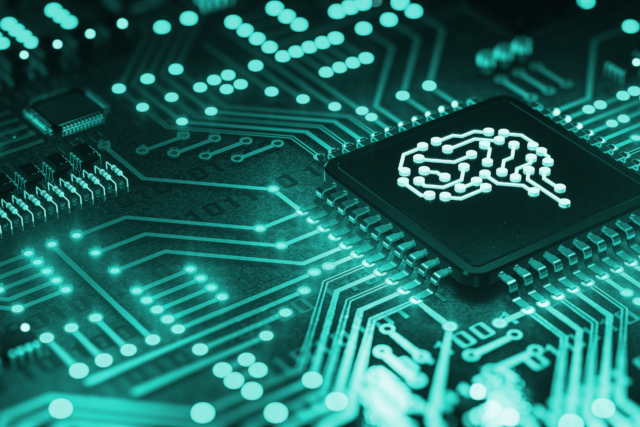
We’re not anti-AI. In fact, when used correctly, AI in hiring can be a powerful tool for efficiency.
“A computer would be really good at assessing test data… but maybe not as good at picking up on verbal and nonverbal cues in the interview.”
AI in hiring is incredibly helpful when it comes to:
- Resume parsing and shortlisting
- Skills-based assessments
- Interview scheduling
- Bias detection (when built and audited responsibly)
But its role should be supportive, not substitutive. Think of AI as a co-pilot, not the recruiter.
Building a Balanced Hiring Process with Both AI and Humans
The most effective hiring systems we’ve seen are tech-enabled, but human-led.
Let AI handle the high-volume, low-context tasks. Let your team focus on what AI can’t: empathy, storytelling, adaptability, and judgment. These human qualities are what lead to better hires and better workplaces. Companies that find the right balance between automation and emotional intelligence will be the ones that win in the future of work.
DMC’s Perspective on AI in Hiring
We believe AI in hiring has its place. But it should never come at the expense of the human experience.
Hiring is one of the most human-centric processes in any organization. It’s about people making decisions about people. If we lose sight of that, we risk optimizing for speed at the cost of substance.
At DMC, we help leaders design hiring systems that blend the best of both worlds—bringing the precision of AI and the power of people into a cohesive, ethical, and high-performing talent strategy.
Let’s not just build faster hiring pipelines. Let’s build better ones.