Manufacturing leaders operate in environments where performance expectations are clear. Production targets must be met. Quality must remain consistent. Operations must run efficiently.
Because of this, many organizations assume that the difference between average and exceptional performance lies primarily in operational expertise.
But over time, a different pattern tends to emerge. High-performing manufacturing leaders often distinguish themselves not by technical knowledge, but by how they lead their organizations. The operational expertise is table stakes. What separates the best is everything that sits above it.
They Think Beyond Immediate Problems
Manufacturing environments constantly present new challenges — equipment failures, supply chain disruptions, unexpected production delays.
Strong leaders certainly address these issues quickly. But the most effective leaders also step back and ask a deeper question: Why did this happen?
Rather than solving the same problems repeatedly, they focus on strengthening the systems and leadership structures that prevent those problems from recurring. This shift in thinking allows the organization to improve continuously rather than react constantly.
They Build Leadership Depth
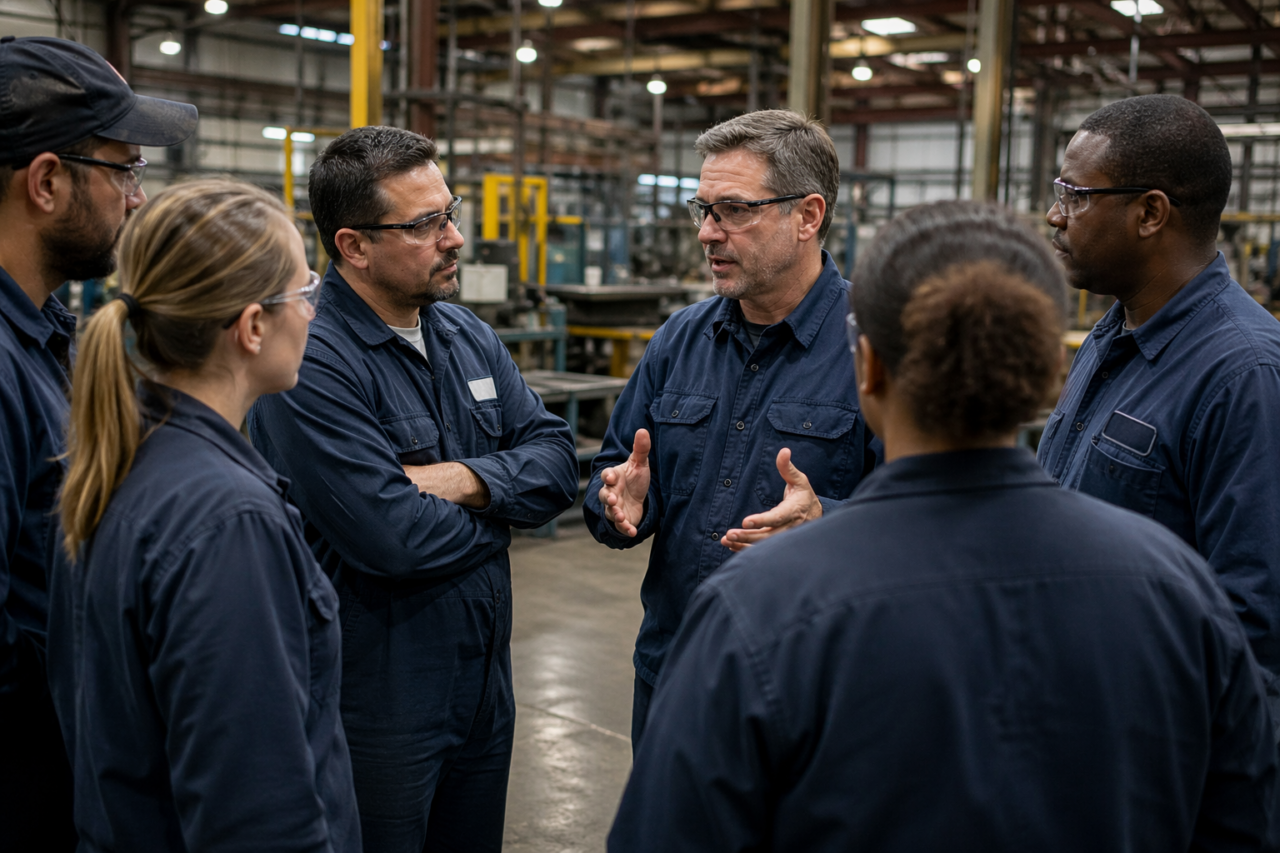
High-performing leaders understand that organizational success cannot depend on a single decision-maker — including themselves.
Instead, they focus on developing leadership depth throughout the organization. Managers are encouraged to take ownership. Decision authority is clearly defined. Leaders at multiple levels understand how their responsibilities connect to the broader strategy.
This structure allows organizations to move faster because decisions are made closer to the work, by people who are empowered to make them.
If your organization depends heavily on a small number of leaders for most decisions, it may be time to look at leadership depth. A 30-minute Leadership Clarity Call can help you see where the structure is creating bottlenecks.
They Prioritize Alignment
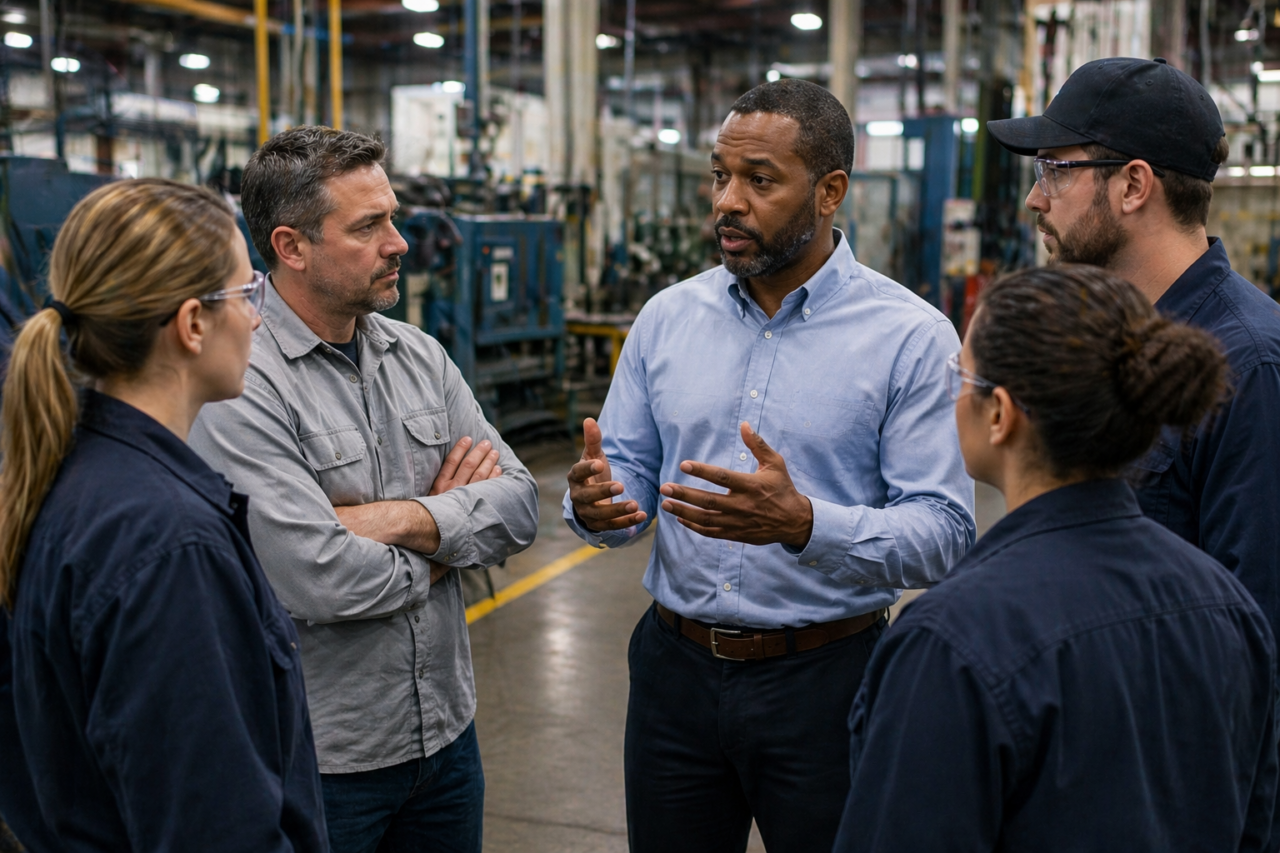
One of the most consistent traits among strong manufacturing leaders is their focus on alignment. They recognize that even small miscommunications between leaders can create friction across operations — friction that multiplies as it moves down through the organization.
By maintaining regular communication among the leadership team and ensuring shared expectations, they reduce the likelihood of departments working at cross purposes. This isn’t just about culture. It directly affects throughput, decision speed, and execution consistency.
They Invest in Leadership Development
The strongest manufacturing leaders recognize that leadership is not static. As organizations grow, leadership expectations evolve. What worked when the company was smaller may not support the next stage of growth.
By investing in leadership development and creating space for reflection, these leaders ensure that their organizations continue adapting as new challenges emerge — rather than hitting the same ceiling repeatedly.
Leadership Growth Often Mirrors Organizational Growth
Many manufacturing leaders eventually discover that the evolution of their leadership approach mirrors the growth of their organization. As responsibilities expand, leadership must evolve alongside them.
That evolution doesn’t happen automatically. Sometimes it develops through experience. Other times, it benefits from a structured outside perspective that helps leaders see their organization — and their own role — more clearly than they can from inside it.
If you’re thinking about how your leadership approach needs to evolve alongside your organization, we’d like to help with that. Book a 30-minute Leadership Clarity Call and let’s talk about where you are and what the next stage of growth actually requires from your leadership team.